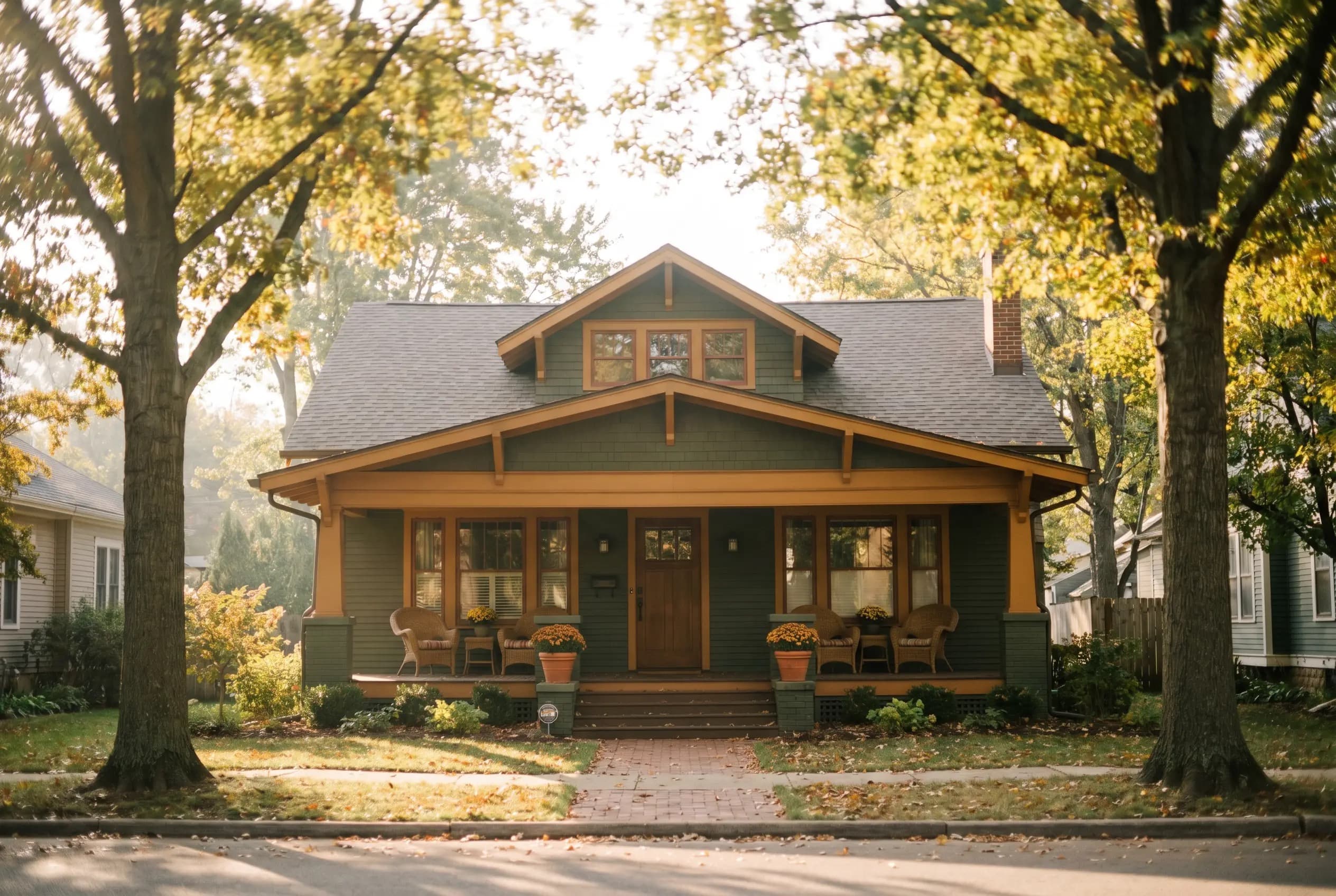
A Lady Bird deed is a Michigan estate planning tool, known formally as an enhanced life estate deed, that lets you keep full control of your home during your life and pass it automatically to the people you choose when you die, without probate. You can still sell it, mortgage it, or change your mind at any time. For many Michigan homeowners it is a simple, low-cost way to keep the family home out of probate court and to help protect it in the context of Medicaid planning.
The Lady Bird deed has an odd name and a genuinely useful function. Michigan is one of a small number of states that recognizes it, which is part of why it comes up so often in conversations about the family home. If you own a home in Michigan and you want it to reach your children or another loved one smoothly, this is one of the first tools worth understanding.
What a Lady Bird deed actually is
A traditional life estate splits ownership of a property in two. The life tenant has the right to live in and use the property during their life, and the remainder beneficiaries automatically own it at death. The catch with a traditional life estate is that the life tenant loses control: they cannot sell or mortgage the property without the cooperation of the remainder beneficiaries, because those beneficiaries already hold a present interest.
An enhanced life estate deed, the Lady Bird deed, keeps the automatic transfer at death but removes that loss of control. You retain the full power to sell, mortgage, lease, or give the property away during your life, and to revoke the deed entirely. The people named to receive the property, called the default beneficiaries, have no rights at all until you die. In practical terms you keep your home exactly as you have it now, and you have simply arranged for it to pass without probate if you still own it at death.
How it works, with a worked example
A simple case
Consider a Michigan homeowner we will call Ruth. Ruth is widowed, owns her Birmingham home free and clear, and has two adult children she trusts completely. She signs a Lady Bird deed that names herself as the owner during her life and names her two children as the default beneficiaries in equal shares. Nothing about her daily life changes. She still pays the taxes, keeps her homestead property tax exemption, and can sell the house next year and move to a condo if she likes. If she does sell, the deed simply becomes irrelevant, because it only controls the home if she still owns it when she dies.
Ruth lives in the home for another twelve years. When she passes away still owning it, the home transfers to her two children automatically. There is no probate case for the house. Her children record her death certificate with the register of deeds, and the title is theirs. Compare that to the alternative: if Ruth had held the home in her sole name with no plan, her children would have opened a probate estate to transfer it, a public process that commonly takes the better part of a year. For more on that timeline, see how long probate takes in Michigan.
What a Lady Bird deed can do
- Keep your home out of probate, passing it directly to the people you name
- Preserve your complete control during life, including the right to sell, mortgage, or change your mind
- Let you keep your homestead property tax exemption and, in most cases, avoid triggering an uncapping of taxable value on transfer to close family
- Help protect the home in the context of Medicaid planning, because it is not treated as a disqualifying gift when you sign it
- Reduce exposure to Michigan estate recovery, the state's process for recovering Medicaid costs from a probate estate after death
What a Lady Bird deed cannot do
A Lady Bird deed is narrow by design. It governs one asset, your home, and only at death. It does nothing about your bank accounts, your investments, your car, or who makes decisions for you if you become incapacitated. It is not a substitute for a will, a durable power of attorney, or a Michigan patient advocate designation. It also does not, by itself, provide for a beneficiary who cannot manage money or who receives public benefits, which is a job for a trust. Think of it as one clean tool for one common problem, not a whole plan. A complete plan is what our estate planning practice is built to assemble.
How it compares to the alternatives
| Approach | Keep full control while living | Avoids probate | Medicaid-friendly |
|---|---|---|---|
| Lady Bird deed | Yes | Yes | Generally yes |
| Traditional life estate | No | Yes | Creates a gift, timing risk |
| Adding a child to the title | No | Partially | Creates a gift, exposure risk |
| Home held in a living trust | Yes | Yes | Depends on the plan |
| Sole ownership, no plan | Yes | No | Exposed to estate recovery |
The table simplifies real trade-offs, and the right choice depends on your full picture. A living trust, for example, does everything a Lady Bird deed does for the home and much more for the rest of your estate, which is why some families use a trust instead of, or alongside, a deed. If long-term care is a live concern, read our explainer on the Medicaid look-back period before you move any asset.
A checklist before you sign
- Confirm the legal description of the property is exact, taken from your current deed, not your tax bill
- Decide who your default beneficiaries are and in what shares, and name an alternate in case one predeceases you
- Consider whether any beneficiary has creditor problems, a disability, or benefits that a direct transfer could disrupt
- Make sure the deed is consistent with the rest of your plan, especially your will and any trust
- Have the deed properly signed, notarized, and recorded with the county register of deeds, because an unrecorded deed can fail
Where people go wrong
The most common mistake is treating a Lady Bird deed as a complete estate plan. It is not. We regularly meet families who signed a deed they found online, felt covered, and never addressed incapacity or the rest of their assets, so the plan quietly failed on every front except the house.
The second mistake is a defective document. A deed with a wrong legal description, a missing notarization, or one that is never recorded can be worthless at exactly the moment it is needed. Real property is unforgiving about formalities.
The third mistake is naming beneficiaries without thinking through their circumstances. Leaving the home directly to a child who is going through a divorce, who has tax liens, or who receives needs-based public benefits can create problems the deed cannot solve. In those situations a trust is usually the better destination for the home. And the fourth mistake is signing a Lady Bird deed as a do-it-yourself Medicaid strategy without advice, which can interact with other planning in ways that undercut the goal.
None of this means the tool is risky. It means the tool should be chosen and drafted as part of a plan, by someone who has looked at your whole situation.
This article is general information about Michigan law for educational purposes. It is not legal advice, and reading it does not create an attorney-client relationship. Every situation is different, so please speak with a licensed attorney about your own circumstances.